
Selling Your Veterinary Practice to Mars: A Vet’s 2026 Guide

Selling Your Veterinary Practice to Mars: A Vet’s 2026 Guide
Key takeaways
- Mars Veterinary Health is the umbrella over VCA Animal Hospitals, Banfield Pet Hospital, BluePearl Specialty and Emergency Pet Hospital, Antech Diagnostics, Linnaeus (UK), AniCura (Europe), and VetPartners (Australia/NZ), operating roughly 3,000 hospitals globally per Mars company materials.
- Mars is the strategic exception in the veterinary consolidator landscape. Every other major US veterinary consolidator is private equity-backed per public ownership disclosures, which means Mars is the one major buyer that does not operate on a defined fund-exit cycle.
- Family ownership matters more than most sellers realize. Mars, Incorporated is privately held by the Mars family with no defined exit horizon, which changes the timing dynamics of any rollover equity, partnership structure, or earnout that runs across years.
- Brand handling is the negotiation point that most distinguishes a Mars-affiliated offer from a PE-backed offer. Sub-brand handling varies — VCA’s historical pattern has been brand consolidation over time, BluePearl operates acquired specialty hospitals under the BluePearl brand — and the specific handling for any practice is determined under the definitive purchase agreement.
- The most reliable way to know what Mars — or any major buyer — would actually pay for your specific practice is to run a structured competitive process. We call ours the Elite Selling System: we hand-select and vet every buyer who gets to bid, the way a doorman with a velvet rope lets in only the right people, then run a private bidding window inside that vetted group. Mars-affiliated entities are invited inside that rope on practices that fit their criteria — and when they bid against a curated group of qualified competitors, the number is reliably very different from what they would offer in a direct, single-bidder conversation.
A vet called me last spring after a visit from a Mars representative. The conversation had been friendly.
The number floated was substantial. The pitch was the long-term strategic ownership, the diagnostics platform, the continuing education, the global scale of a privately-held parent.
She wanted to know the same thing every owner wants to know when a major buyer reaches out. Is this number what my practice is actually worth — and is Mars the right buyer for what I built?
The first question has the same answer for every major veterinary buyer: a single offer in a single conversation is almost never the number you would clear in a structured process with multiple qualified bidders. The second question — is Mars the right buyer for you — has a more specific answer than for any other consolidator in the market, because Mars is structurally different from everyone else competing for veterinary practices.
This guide is everything I’d tell a vet about Mars Veterinary Health specifically — who they are, who owns them, what they’re paying for practices in 2026, what they target, how they integrate, how the sub-brands differ, what to negotiate, and how Mars compares to the private equity-backed buyers who’d compete for your practice in a structured process.
If you’re considering selling to a Mars-affiliated entity, or if VCA, BluePearl, or another Mars-affiliated team has already called you with an offer in hand, this guide will give you the same picture I’d give a client in person over dinner.
Quick facts on Mars Veterinary Health
Mars Veterinary Health is the veterinary division of Mars, Incorporated. The umbrella was formally established in 2017 following Mars’s $9.1 billion acquisition of VCA Inc. per the SEC filings at the time, consolidating Mars’s then-existing pet health investments (Banfield, BluePearl) with VCA’s general practice and specialty footprint under a single division.
The umbrella has since expanded internationally.
In the United States, Mars Veterinary Health operates three main practice brands. VCA Animal Hospitals is the largest, with approximately 1,000 hospitals across general practice and specialty per VCA company materials. Banfield Pet Hospital operates over 1,000 locations, most of them inside PetSmart retail stores per Banfield company materials. BluePearl Specialty and Emergency Pet Hospital operates over 100 specialty and emergency hospitals per BluePearl company materials.
Mars Veterinary Health also owns Antech Diagnostics, the reference laboratory network whose results land on most veterinary patient files in the United States regardless of which buyer owns the practice. Antech was part of the VCA acquisition in 2017 per the SEC filings at the time.
Internationally, Mars Veterinary Health includes Linnaeus in the United Kingdom, acquired in 2018 per public announcements; AniCura across continental Europe (roughly 14 countries), acquired in 2018 per public announcements; and VetPartners in Australia and New Zealand, acquired in 2017 per public announcements. Together with the US footprint, Mars Veterinary Health operates roughly 3,000 hospitals globally per Mars company materials.
The most important fact for a US seller to internalize. Mars is family-owned. Mars, Incorporated is owned by the Mars family of the United States and is one of the largest privately-held companies in the world. The ownership structure is fundamentally different from the private equity-backed consolidators that make up the rest of the buyer pool, and that structural difference is the single most important lens through which to read every other dimension of a Mars-affiliated offer.
What Mars actually pays for veterinary practices in 2026

A real example from our work. A practice owner came to us after an initial direct offer from a major veterinary buyer. Through our competitive process, the winning bid landed several million dollars above the original direct offer — meaningful seven-figure additional value that would have been left on the table with the direct deal.
The competitive process took roughly 10 days from launch to acceptance, with funds in her account within 90 days of the original conversation. That dynamic — the gap between a direct offer and a competitive outcome — is consistent across every major buyer category, including Mars-affiliated entities.
Mars Veterinary Health does not publish a standard price sheet for any specific practice profile. Per industry M&A commentary (Octus, Capstone Partners, 2025-2026), competitive outcomes for strong multi-doctor general practices in the $2 million-plus revenue range tend to land in the low-teens EBITDA range across the broader major buyer pool.
The actual number for any specific practice depends heavily on whether other buyers are at the table and the specific profile of the practice. Mars-affiliated entities participate in this competitive band when they bid on qualifying practices, with the specific offer on any specific deal negotiated case by case under confidentiality.
For specialty and emergency hospitals, the broader market generally values these higher than comparable GP practices per industry research. BluePearl’s specialty hospital footprint is one of the most established networks in the United States, and BluePearl participates as a bidder for qualifying specialty and emergency platforms when they fit the criteria.
For larger multi-location groups ($10 million-plus revenue, $2 million-plus EBITDA), the multiple range typically extends higher than for single-location GP practices, with deal sizes scaling into the eight-figure-plus range. Mars’s strategic acquisition capacity and its global platform mean Mars-affiliated entities are active bidders for larger platforms when the practice profile matches the strategic fit.
For practices below the $2 million revenue threshold or single-doctor practices, the buyer pool generally shifts toward regional PE-backed groups, smaller consolidators, and individual buyers. Specific Mars acquisition criteria are not publicly published and may vary by sub-brand, region, and strategic priority.
The cash-at-close reality
The headline multiple is rarely what lands in the seller’s bank account. Per industry M&A commentary across the major buyer pool (Dechert, Holland & Knight, Capstone Partners in 2025-2026), the typical offer structure allocates the majority of total deal value to cash at close, with the remainder split among earnout, rollover equity, and occasional seller notes.
Mars’s specific structure on any given deal is negotiated case by case.
Where Mars’s strategic ownership tends to differ from the PE-backed pool is in the rollover and earnout dimensions. A PE-backed buyer is operating on a defined fund cycle, and rollover equity in a PE-backed buyer is typically illiquid until the platform’s exit event (the next sponsor sale, the recapitalization, or eventually an IPO).
Mars, as a family-owned strategic, has no defined exit cycle. That changes the timing dynamics of any retained equity but also changes the liquidity path — Mars-affiliated rollover or partnership terms, where offered, are structured against a different timeline than a PE fund’s lifecycle and the specific liquidity mechanics deserve careful negotiation.
Mars’s specific posture on rollover for any specific deal is determined case by case and is not publicly enumerated.
A note on deal structure types in the current market
Before walking through how Mars’s acquisition teams approach transactions, it’s worth noting a structural shift in the broader veterinary M&A market. Per MB Law Firm’s 2025 commentary on healthcare M&A trends, an increasing number of PE-backed veterinary consolidators are offering partnership or joint venture structures rather than 100 percent acquisitions.
In these structures, the buyer acquires a majority stake in the practice (typically 60 to 80 percent), the seller retains 20 to 40 percent as direct equity in the practice itself, and a contractual put/call mechanism defines the buyout date and formula price for the retained equity. Rarebreed Veterinary Partners, Southern Veterinary Partners, IVC Evidensia, and Encore Vet Group explicitly market partnership or co-ownership models in their company materials.
Mars’s specific deal structures vary by sub-brand and are negotiated case by case under confidentiality, so we won’t make claims about Mars’s standard practice on this dimension. What we can say is that the partnership-structure trend is most prominent among the PE-backed buyer pool, where the retained equity creates a future buyout event tied to the fund’s exit cycle.
Mars’s family-ownership structure operates on different timing assumptions, which means a Mars-affiliated partnership structure (where offered) would be structured against different mechanics than a PE-backed partnership. Sellers evaluating any specific Mars offer should ask whether a partnership structure is available alongside the more traditional 100 percent acquisition.
Our PE pricing guide covers the comparison in depth.
How Mars’s acquisition teams operate
Each of the Mars-affiliated US sub-brands runs its own acquisition team. VCA’s acquisition team focuses primarily on general practice and specialty hospital acquisitions, with a long historical track record of acquiring established multi-doctor practices in markets where VCA has existing density. BluePearl‘s acquisition team focuses on specialty and emergency hospital platforms. Banfield‘s growth has been driven more by greenfield builds inside PetSmart retail locations than by acquisitions of independent practices, though Banfield does occasionally evaluate strategic acquisitions per Banfield company materials.
The sub-brand acquisition teams operate across multiple sourcing channels including direct outreach to practice owners, participation in structured competitive sale processes run by sell-side advisors, and inbound inquiries from owners who reach out directly. The specific processes and criteria are not publicly enumerated by Mars.
Per industry M&A commentary, competitive sale processes across the major buyer pool consistently produce stronger seller outcomes than direct, single-bidder conversations on the same practice. Mars-affiliated entities — VCA, BluePearl, and Banfield where applicable — are consistent participants in well-run structured sale processes.
How Mars integrates the practices it acquires
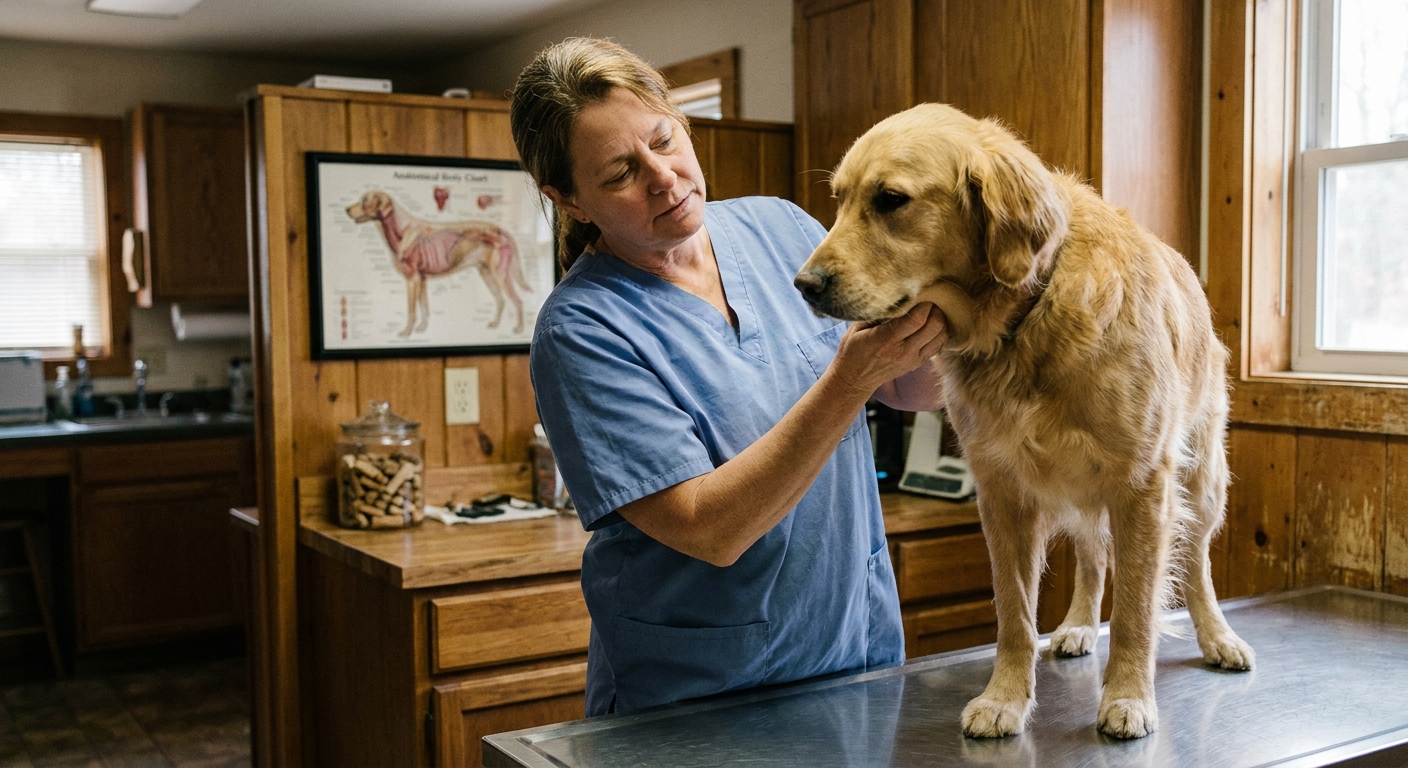
Mars’s integration approach varies materially by sub-brand. This is one of the dimensions where the umbrella description (“Mars Veterinary Health“) obscures more than it reveals, because the practical experience of selling to VCA is structurally different from selling to BluePearl, and both are different from any hypothetical Banfield acquisition.
VCA integration. Per VCA company materials and the historical pattern, VCA’s integration approach has emphasized operational consolidation under the VCA brand over time, with shared support functions including HR, marketing, IT, supply purchasing, and continuing education programming. Brand handling for any specific acquired practice is determined under the definitive purchase agreement; sellers whose practice has decades of local goodwill should confirm specific brand handling in writing as part of the deal.
VCA’s continuing education programming for doctors in the network is well established per VCA company materials.
BluePearl integration. Per BluePearl company materials, BluePearl operates acquired specialty and emergency hospitals primarily under the BluePearl brand, with the integrated diagnostics platform (Antech), specialty referral networks, and continuing education programming as part of the value proposition. The integration is typically more brand-forward than the PE-backed specialty buyer pool, where local brand preservation is more common.
Antech as platform value-add. Across all Mars-affiliated US practices, Antech Diagnostics is the integrated reference laboratory platform per Mars company materials. For sellers whose practice already uses Antech, the integration is largely invisible; for sellers whose practice uses a competing lab, the integration involves a lab transition.
Doctor relationships. Per industry M&A commentary on major veterinary acquirers, selling owners commonly stay on as medical directors for a multi-year post-close period (typically 3 to 5 years), providing continuity to staff and clients during the integration period. Mars-affiliated entities follow this general pattern, with the specific terms negotiated case by case under the definitive purchase agreement.
Continuing education and clinical programs. Mars Veterinary Health invests in continuing education and clinical programming across its hospitals per Mars company materials. This is one of the genuine value-adds that the Mars-affiliated platform offers practitioners who join the network.
Mars’s recent activity in 2025-2026
Mars-affiliated entities are among the active US veterinary practice acquirers in 2026. Per Capstone Partners‘ April 2026 Pet Sector M&A Update, pet sector M&A activity has accelerated meaningfully in early 2026 versus the same window of 2025, with PE-backed and strategic acquirers active across the market.
Mars’s specific 2025-2026 acquisition activity is not publicly enumerated in real time by Mars. Owners receiving outreach from VCA, BluePearl, or another Mars-affiliated team should evaluate the offer in the context of a competitive process where multiple qualified buyers underwrite the same practice in parallel.
The broader Mars Petcare division has continued investing in pet health adjacencies (pet insurance, telehealth pilots, urgent care formats) per Mars company materials and trade press coverage. These adjacencies do not directly affect a single-practice acquisition transaction, but they are signal about Mars’s longer-term strategic commitment to the veterinary services category.
Have an offer from Mars, VCA, BluePearl, or another Mars-affiliated entity? Get a Free Practice Value Estimate — send us the offer and we’ll decompose the terms, identify what’s typically negotiable, and project what your practice would likely clear in a structured competitive process with the broader qualified buyer pool. No upfront cost, no obligation.
How Mars compares to the other major buyers
If you’re considering a Mars-affiliated offer, you’re probably comparing them implicitly to the other major buyers who’d compete for your practice. Here’s how Mars stacks up across the dimensions that matter.
Versus NVA (JAB Holdings). NVA is owned by JAB Holdings, the Luxembourg-based privately-held investment vehicle of the Reimann family. Both NVA and Mars are privately-held strategic owners with long-hold investment postures, which distinguishes them from the PE-backed fund-cycle buyers in the pool.
NVA’s general approach is to preserve local practice branding per NVA company materials, while Mars’s approach varies by sub-brand. Both participate in competitive sale processes for qualifying practices, with the specific deal terms determined case by case under the definitive purchase agreement.
Versus AmeriVet Veterinary Partners. AmeriVet is PE-backed (AEA Investors and Oaktree Capital per public ownership disclosures) and is among the active 2026 mid-market acquirers per AmeriVet company materials. AmeriVet’s brand approach has historically emphasized local practice identity preservation per AmeriVet company materials.
The structural difference matters most for sellers evaluating rollover equity or partnership structures, where Mars’s family-ownership horizon and AmeriVet’s PE-fund cycle operate on different timelines.
Versus VetCor (Harvest Partners). VetCor is PE-backed and one of the longer-established US veterinary consolidators per VetCor company materials. VetCor’s integration approach has historically emphasized local brand preservation per VetCor company materials.
Both Mars-affiliated entities and VetCor may compete for qualifying practices in a structured sale process; the specific deal terms and structure proposed by either buyer are determined case by case.
Versus Mission Pet Health. Mission Pet Health, the post-merger entity formed from SVP and MVP per the July 2025 Mission Pet Health press release, is an active 2026 acquirer with a meaningful Southeast and Sun Belt footprint. Both Mission Pet Health and Mars-affiliated entities may compete for qualifying practices in a structured sale process; specific deal terms and cultural fit are best evaluated in context per practice.
Versus PetVet Care Centers (Ares Management). PetVet is PE-backed and operates a meaningful US footprint per PetVet company materials. Like the broader PE-backed pool, PetVet operates on a defined fund cycle, which contrasts with Mars’s family-ownership horizon.
Both may compete for qualifying practices in a structured sale process.
Versus the smaller PE-backed groups (Thrive Pet Healthcare, Alliance Animal Health, Heartland, VPP, others). Each has its own integration philosophy and target profile. Smaller groups sometimes pay more aggressively for practices that fill specific geographic or specialty gaps in their portfolio.
The right way to evaluate which buyer pays most is to put all of them in a competitive process and let them surface their best offers in parallel.
What to negotiate before signing with a Mars-affiliated entity
Six priorities when negotiating with VCA, BluePearl, or another Mars-affiliated team.
Brand handling. The most important Mars-specific negotiation term. The historical pattern across the VCA sub-brand has been brand consolidation over time, and BluePearl operates acquired specialty hospitals under the BluePearl brand per company materials.
For sellers whose practice has decades of local goodwill, this term materially affects post-sale staff and client retention. Confirm specific brand handling in writing as part of the definitive purchase agreement: name, signage, website, marketing materials, and the timing of any planned conversion.
Negotiate explicit brand preservation language if local identity matters to your post-sale outcomes.
Cash at close percentage. Offers in this market generally lean toward the majority of total deal value as cash at close, but the specific percentage Mars-affiliated entities initially propose varies deal by deal. Push for higher cash percentages.
Every dollar shifted from contingent to cash is guaranteed money instead of conditional.
Earnout structure. Earnouts commonly run on multi-year EBITDA targets. Push for shorter duration.
Push for revenue-based metrics where possible (the seller has more control over revenue post-close than over EBITDA, which depends on cost decisions the buyer makes). Insist on protective provisions: no major operational changes without seller consent, working capital floor, prohibition on shifting expenses from other practices in the buyer’s portfolio to the seller’s practice.
Rollover or partnership equity terms. If a Mars-affiliated offer includes rollover equity (where offered, terms vary deal by deal), negotiate the liquidity provision carefully. Family-ownership horizons are longer than PE-fund cycles, so the timing of any retained-equity buyout deserves explicit terms — defined liquidity windows, milestone-tied put/call mechanics, or a formula-priced buyout at a specified date.
Get governance rights: minority protection clauses, information rights, anti-dilution provisions.
Non-compete scope. Non-competes commonly run several years and cover a defined geographic radius for all veterinary work. That can effectively end your career if you might want to continue practicing somewhere later.
Negotiate: shorter duration (1 to 2 years), tighter radius (5 to 10 miles), or carve out specific specialty or modality if you might continue clinical work post-employment.
Post-sale role and clinical autonomy. Medical director arrangements are standard. The protective terms that matter: clinical autonomy (you make medicine decisions, not the regional team), staffing autonomy (you keep the team you’ve trained), and a clear definition of which business decisions stay with you versus migrating to the regional operating structure.
The integration roadmap should be in writing.
The strategic-versus-PE choice for your retained equity
If a Mars-affiliated offer is on the table alongside a PE-backed offer, the rollover or partnership equity term is where the buyer choice actually matters most for sellers retaining equity.
A PE-backed rollover ties your retained value to a defined fund cycle. The platform was bought by the current sponsor at some entry multiple, the sponsor’s plan is to exit in 5 to 7 years at a higher multiple, and your rollover participates in that exit value.
The path is reasonably mechanical: hold through the next recapitalization, take liquidity at the next sponsor sale or IPO.
A Mars-affiliated rollover ties your retained value to a privately-held strategic with no defined exit. The mechanics of the liquidity path are negotiated rather than mechanical, and the timing assumptions are typically longer than a fund cycle.
That changes the analysis in two ways. First, the time-value of money matters more — a buyout that lands in year 10 instead of year 6 is materially less valuable in present-value terms even at the same nominal price. Second, the buyout formula matters more — the negotiated put/call mechanics or repurchase formula determine your liquidity, where in a PE-backed exit the market sets the price.
For sellers retaining equity, the right question to ask Mars’s deal team is not “what is your exit horizon” (the honest answer is they don’t have one). The right question is “what are the specific contractual mechanics — put date, call date, formula price, and liquidity triggers — that govern my retained equity if I want out in year 5, year 7, or year 10.” Those mechanics deserve as much negotiation attention as the headline cash-at-close number.
The Antech and Banfield-PetSmart context
Two pieces of context about the Mars ecosystem that show up indirectly in any Mars-affiliated transaction.
Antech Diagnostics is the reference laboratory most likely to be running your patient samples post-acquisition if you join a Mars-affiliated practice. If your practice already uses Antech, the integration is invisible.
If your practice uses Idexx or another competing reference lab, joining a Mars-affiliated network typically involves an Antech transition. That’s not a deal-killer for any seller, but it is operational context.
Banfield‘s PetSmart relationship is unique in the market. Most Banfield locations are inside PetSmart retail stores per Banfield company materials, a strategic distribution model that doesn’t apply to most independent practice owners considering a sale.
Independent practice acquisitions by Banfield are uncommon relative to VCA and BluePearl, but the Banfield-PetSmart context is part of the broader Mars Petcare distribution strategy that makes Mars Veterinary Health structurally different from a pure PE-backed roll-up.
Should I take a Mars offer or run a competitive process?
The same answer for Mars as for any other major buyer: a single offer in a single conversation is almost never the number you would clear in a structured process with multiple qualified bidders.
The dynamics that produce the gap are consistent across the major buyer pool. Without competition, the buyer has no pressure to bid against their own internal valuation ceiling.
They can structure terms to favor the buyer side of the table. They can put exclusivity pressure on the timeline.
They can walk the seller through their own internal narrative about what the practice is worth.
With competition, every one of those dynamics flips. Each bidder knows other qualified buyers are underwriting the same practice.
Each bidder must put their best terms forward in the bidding window. Earnout, rollover, non-compete, post-sale role — every term becomes negotiable because every bidder knows the seller has alternatives.
The headline multiple typically clears materially higher, and the contract terms typically improve materially across the board.
Mars-affiliated entities participate in well-run competitive processes when invited. The Mars-specific dimensions — strategic family ownership, the brand-handling question, the rollover liquidity mechanics — get sharper attention from the Mars team when they know other qualified buyers are at the table on the same practice in the same window.
What our Elite Selling System actually does
When a Mars-affiliated offer (or any direct offer) lands, the work we do is mechanical and replicable. We pull the practice’s full financials, normalize the EBITDA properly (every personal expense run through the business gets surfaced and adjusted), and build the buyer-side investment memo that any qualified bidder will need to underwrite the deal.
Then we curate the bidder list. Of the 42+ named veterinary consolidators TE actively tracks across the US market, only the ones that fit the specific practice profile — geographic alignment, specialty mix, deal size band, integration philosophy that the seller can live with — get invited inside the velvet rope.
Mars-affiliated entities (VCA, BluePearl, Banfield where applicable) are evaluated for fit just like every other buyer. If the practice profile matches what they target, they get invited.
If not, the bidder pool focuses on buyers who’d actually compete hard.
The bidding window is short and tight. Qualified bidders get a defined timeline, defined diligence access, and a defined final-bid date.
The terms come back in a structured comparison: cash at close, earnout structure, rollover terms, non-compete, post-sale role, brand handling, integration roadmap. The seller picks the offer that best matches what they want, not just the highest headline multiple.
The result that matters: the gap between a direct single-bidder offer and a competitive winning bid in our process has consistently run into seven-figure territory on practices in the qualifying revenue band, across both PE-backed and strategic buyer pools.
Closing thought
Mars is one of the most established veterinary acquirers in the world and operates the largest US veterinary footprint of any single ownership group. Mars-affiliated entities — VCA, BluePearl, Banfield, Antech, and the international platforms — are serious bidders for the practices that fit their criteria, and Mars’s family-ownership structure offers a genuinely different long-term posture than the PE-backed buyer pool.
The right way to know what a Mars-affiliated entity would pay for your specific practice is to put them inside a structured competitive process alongside the other qualified buyers and let the bidding window do its work. The Mars-specific terms — brand handling, rollover liquidity mechanics, sub-brand integration approach — deserve sharp negotiation attention because they are where Mars structurally differs from every other buyer in the market.
If you’ve received a Mars-affiliated offer, or if a VCA or BluePearl representative has reached out to start the conversation, the next move is to know what your practice is actually worth before responding. Get a Free Practice Value Estimate and we’ll tell you the same answer I’d give a client across a dinner table.
Related Buyer Profiles
Sources
Industry M&A research and valuation data
- Capstone Partners. Pet Sector M&A Update — April 2026. Capstone Partners industry research.
- Octus. Veterinary Services Roll-Up Coverage, 2025-2026. Octus credit research and industry commentary.
- Dechert LLP. Healthcare M&A: 2025-2026 Trends and Outlook. Dechert healthcare practice publications.
- Holland & Knight. Healthcare Private Equity 2025-2026 Commentary. Holland & Knight healthcare practice publications.
- MB Law Firm. 2025 Healthcare M&A Trends — Joint Venture and Partnership Structures. MB Law Firm healthcare publications.
Mars Veterinary Health, sub-brand, and parent company materials
- Mars, Incorporated. Mars Veterinary Health overview and global operating footprint. Mars company materials, 2024-2026.
- VCA Animal Hospitals. About VCA and US hospital network. VCA company materials, 2024-2026.
- Banfield Pet Hospital. About Banfield and PetSmart partnership. Banfield company materials, 2024-2026.
- BluePearl Specialty and Emergency Pet Hospital. About BluePearl and US specialty footprint. BluePearl company materials, 2024-2026.
- Antech Diagnostics. About Antech reference laboratory network. Antech company materials, 2024-2026.
- Linnaeus Group. About Linnaeus and UK veterinary footprint. Linnaeus company materials, 2024-2026.
- AniCura Group. About AniCura and European veterinary footprint. AniCura company materials, 2024-2026.
- VetPartners. About VetPartners and Australia/NZ veterinary footprint. VetPartners company materials, 2024-2026.
Historical transaction and ownership references
- SEC filings. Mars Inc. acquisition of VCA Inc., 2017. US Securities and Exchange Commission EDGAR archive.
- Public press releases. Mars acquisitions of AniCura, Linnaeus, and VetPartners, 2017-2018. Issuing company press releases.
Veterinary practice operations, benchmarks, and profession data
- iVET360. State of the Veterinary Industry — 2026 Industry Report. iVET360 industry research.
- American Veterinary Medical Association (AVMA). 2026 AVMA Veterinary Economic Report. AVMA economic research.

Melani Seymour, co-founder of Transitions Elite, helps veterinary practice owners take action now to maximize value and secure their future.
With over 15 years of experience guiding thousands of owners, she knows exactly what it takes to achieve the best outcome.