
Posts
Latest news and ideas

Selling a Dental Practice: A 2026 Owner’s Guide Successfully selling a dental practice requires meticulous financial preparation, streamlined patient record handoffs, and a structured competitive bidding process to drive up offers and secure favorable deal terms. Because corporate dental groups and private equity buyers evaluate clinics based on hygiene production ratios, active patient counts, and…
Read More >>
What multiple of EBITDA do veterinary practices sell for? In 2026, most independent veterinary practices sell for a multiple of 5x to 8x their normalized EBITDA. However, larger, highly profitable multi-doctor clinics generating over $1.5 million in annual revenue can command premium multiples of 9x to 12x or higher from private equity consolidators. The exact…
Read More >>
If you are considering an exit in 2026, understanding your true veterinary practice valuation is the single most critical step before engaging with buyers. While revenue gives you a baseline, institutional acquirers base their offers on normalized EBITDA and competitive market multiples. In this guide, we break down exactly how to calculate your clinic’s worth…
Read More >>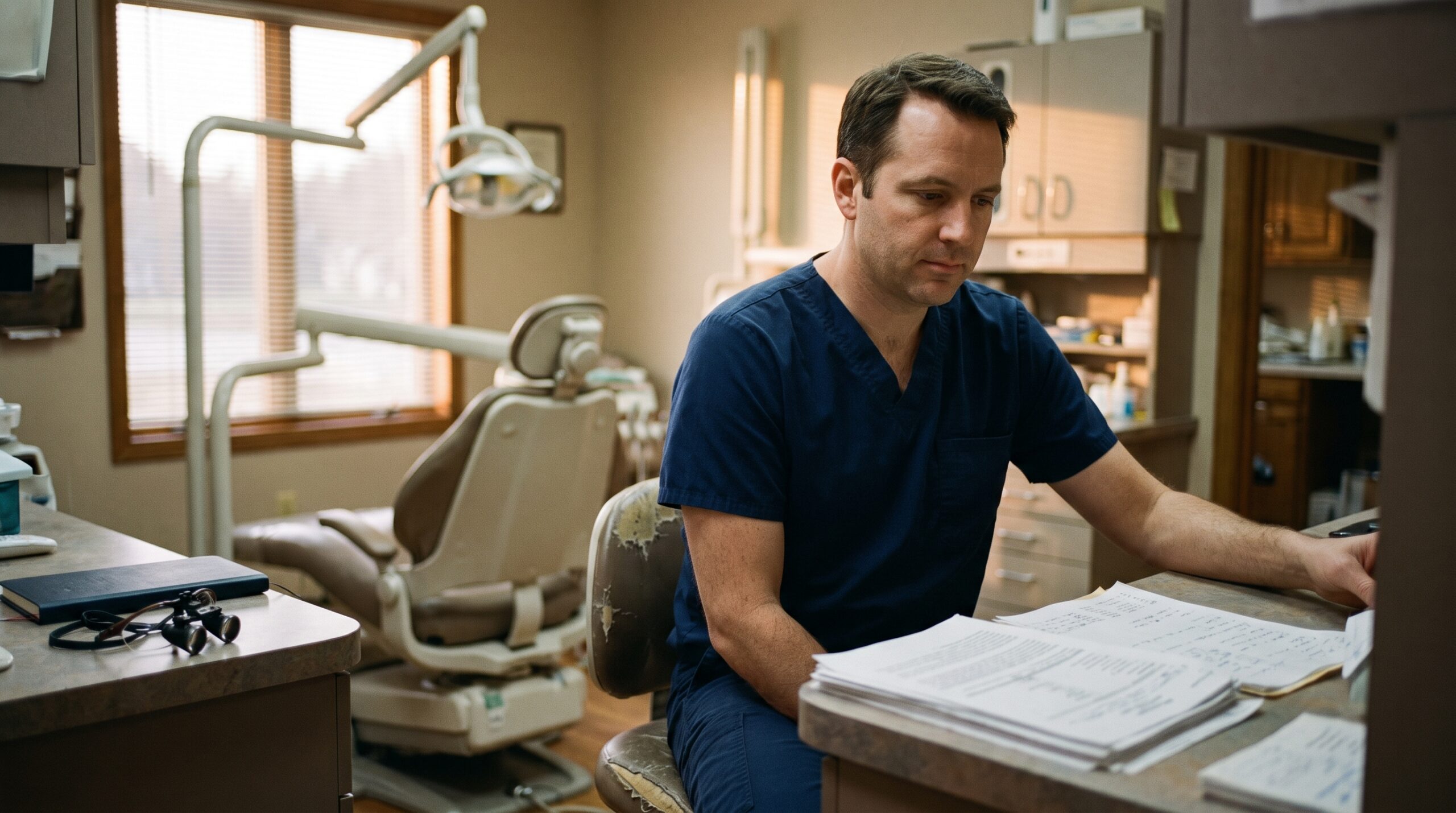
The question usually arrives by email, late in the evening, with a link pasted underneath it. “Is this the kind of thing I should be looking at?” The link goes to a PDS Health page about practice ownership. The honest answer is no, not for what he is actually asking. PDS Health does not buy…
Read More >>
Here is the conversation I have had more times than any other, and it never starts with insurance. An owner tells me production was the best it has ever been. Full schedule, team held together, an extra day of hygiene. Then he says the part that actually brought him to the call. His take-home was…
Read More >>