
Selling Your Veterinary Practice to Thrive Pet Healthcare: A Vet’s 2026 Guide

Selling Your Veterinary Practice to Thrive Pet Healthcare: A Vet’s 2026 Guide
Key takeaways
- Thrive Pet Healthcare (formerly Pathway Vet Alliance) is one of the larger US veterinary practice consolidator platforms, headquartered in Austin, Texas.
- TSG Consumer Partners is the platform’s financial sponsor — a San Francisco-based PE firm whose consumer-investment heritage shapes Thrive’s brand-forward operational orientation, distinct from the healthcare-services-PE backing of most competitors.
- Brand handling is a mixed picture at Thrive. Unlike the consistent brand-preservation approach at VetCor, NVA, AmeriVet, and Mission Pet Health, Thrive operates a mixed-brand model where some acquired practices retain local identity and others transition to the Thrive consumer brand. The negotiation surface around this is the highest-leverage dimension for sellers with local goodwill.
- The TSG consumer-investment angle is what most distinguishes Thrive from the rest of the PE-backed buyer pool. The platform’s customer-experience and brand infrastructure are built around consumer-investment thinking rather than healthcare-services-investment thinking.
- The most reliable way to know what Thrive — or any major buyer — would actually pay for your specific practice is to run a structured competitive process. We call ours the Elite Selling System: we hand-select and vet every buyer who gets to bid, the way a doorman with a velvet rope lets in only the right people, then run a private bidding window inside that vetted group. Thrive is invited inside that rope on practices that fit their criteria — and when they bid against a curated group of qualified competitors, the number is reliably very different from what they would offer in a direct, single-bidder conversation.
The Thrive conversation has a structural twist that doesn’t apply to most other US veterinary buyer conversations: the platform’s PE sponsor is a consumer-investing firm, not a healthcare-investing firm. TSG Consumer Partners built its track record in consumer brands — categories where the customer’s experience of the brand is the primary asset.
Bringing that investment lens into veterinary services produces a platform that thinks about acquired practices differently than the healthcare-PE-backed competitors do. The customer experience, the digital infrastructure, the unified brand identity, the wellness-plan and subscription mechanics — these dimensions get sharper attention at Thrive than at platforms whose sponsors view veterinary services through a traditional healthcare-roll-up lens.
For sellers, that consumer-brand orientation is the through-line of every Thrive conversation. It cuts both ways.
Sellers who view the consumer-brand integration as aligned with where pet services demand is heading — younger millennial and Gen Z pet owners increasingly expect consumer-brand experiences — see Thrive as one of the more strategically positioned platforms. Sellers who built decades of local practice identity and value brand continuity above brand modernization see Thrive’s mixed-brand approach as the central risk in the transaction.
What follows is the picture I’d lay out over dinner if a vet handed me a Thrive offer and asked what to do with it. Who Thrive is, what the rebrand from Pathway means, how the consumer-investment-backed integration actually works, where the brand-handling negotiation lives, and how to think about Thrive against the rest of the US veterinary buyer pool.
Quick facts on Thrive Pet Healthcare
Thrive Pet Healthcare is headquartered in Austin, Texas and operates a multi-region network of general practice, specialty, and emergency hospitals across the United States per Thrive company materials. The platform’s footprint includes legacy Pathway acquisitions accumulated over years of growth prior to the rebrand.
The rebrand. Thrive Pet Healthcare was previously known as Pathway Vet Alliance. The rebrand to Thrive was completed per the company’s external materials at the time.
The rebrand reflected a broader strategic repositioning toward a unified consumer-brand identity, in line with TSG Consumer Partners’ investment thesis around consumer-brand veterinary services.
Ownership. Thrive is sponsored by TSG Consumer Partners per public ownership disclosures. TSG is a San Francisco-based private equity firm specializing in consumer-focused growth investments.
The firm’s portfolio history includes well-known consumer brands across food, beverage, beauty, and direct-to-consumer categories. The TSG sponsorship of a veterinary services platform represents the firm’s expansion into consumer-services investing, with veterinary care positioned as a consumer-experience category rather than a traditional healthcare-roll-up category.
Most important practical fact. The TSG consumer-investment heritage shapes Thrive’s operational orientation in ways that show up directly in the acquired-practice experience. Customer-experience infrastructure, digital booking and communications, marketing brand consistency, subscription and wellness-plan mechanics — each of these gets more institutional attention at Thrive than at competitors with traditional healthcare-PE backing.
The implication is that selling to Thrive is a structurally different post-sale experience than selling to VetCor or PetVet or NVA, even when the headline cash multiple is comparable.
What Thrive actually pays for veterinary practices in 2026

The consistent pattern we see. When a multi-doctor practice receives a direct offer from any major buyer — Thrive included — the offer reflects the leverage the buyer perceives. A single bidder facing no visible competition has no structural reason to put forward the strongest cash percentage, tightest brand-preservation language, most flexible integration timeline, or best protective provisions in the first conversation.
Inside a properly structured competitive process those dimensions move. For Thrive specifically the brand-handling dimension is where competitive pressure tends to produce the largest absolute movement.
Thrive does not publish a standard price sheet. Per industry M&A commentary (Octus, Capstone Partners, 2025-2026), competitive outcomes for strong multi-doctor general practices in the $2 million-plus revenue range typically land in the low-teens EBITDA range across the major buyer pool.
The actual number for any specific practice depends heavily on whether other buyers are at the table.
For specialty and emergency hospitals, the broader market values these higher than comparable GP practices per industry research. Thrive’s specialty footprint has grown over the years and the platform may bid for qualifying specialty platforms.
For larger multi-location groups, deal sizes scale into the eight-figure-plus range. Thrive’s institutional capital position supports active bidding on larger platforms.
The cash-at-close reality
Headline-number behavior at Thrive is similar to the broader major-buyer pool — most deal value lands as cash at the closing table per 2025-2026 healthcare M&A commentary (Dechert LLP, Holland & Knight, Capstone Partners), with the remainder split among earnout, rollover or partnership equity, and occasional seller notes.
Where Thrive differs from healthcare-PE-backed competitors is in how the platform thinks about retained equity. The TSG consumer-investment lens approaches Thrive equity as a consumer-brand equity stake — meaning the platform’s eventual exit thesis is built around the value of the unified Thrive consumer brand, not just the aggregate EBITDA of the acquired hospital network.
For sellers retaining equity, that exit-thesis difference matters: the platform’s eventual valuation will reflect how successfully the consumer-brand build-out lands, not just the practice-level operational results. That’s a different underwriting question than rollover into a traditional healthcare-roll-up.
A note on deal structure types in the current market
The broader US veterinary M&A market has shifted toward partnership and joint-venture structures per MB Law Firm’s 2025 healthcare M&A commentary. Mission Pet Health (legacy SVP), AmeriVet, Rarebreed, and others emphasize partnership variants.
Thrive’s specific structural posture is determined case by case under confidentiality and is not publicly enumerated. Given TSG’s consumer-brand orientation, the platform’s strategic preference may lean toward acquisition structures that support unified-brand integration rather than partnership structures that preserve practice-level economic independence — but that posture would be deal-specific.
Sellers should ask explicitly whether a partnership structure is available alongside the more traditional acquisition. Our PE pricing guide covers the structure comparison.
How Thrive’s acquisition team operates
Thrive’s corporate-development team operates the standard mix of sourcing channels — direct outreach to practice owners, participation in structured competitive sale processes, inbound inquiries. The team’s institutional context (consumer-PE-backed) influences the diligence and underwriting framework: customer-experience metrics, brand-equity considerations, digital and subscription infrastructure compatibility, and consumer-brand integration roadmap all surface in Thrive’s evaluation more prominently than at healthcare-PE-backed competitors.
For sellers, the practical implication is that Thrive’s first-look offer often reflects an internal underwriting that includes consumer-brand integration assumptions baked in — which means the brand-handling negotiation is happening implicitly even before it surfaces in the contract clauses.
How Thrive integrates the practices it acquires
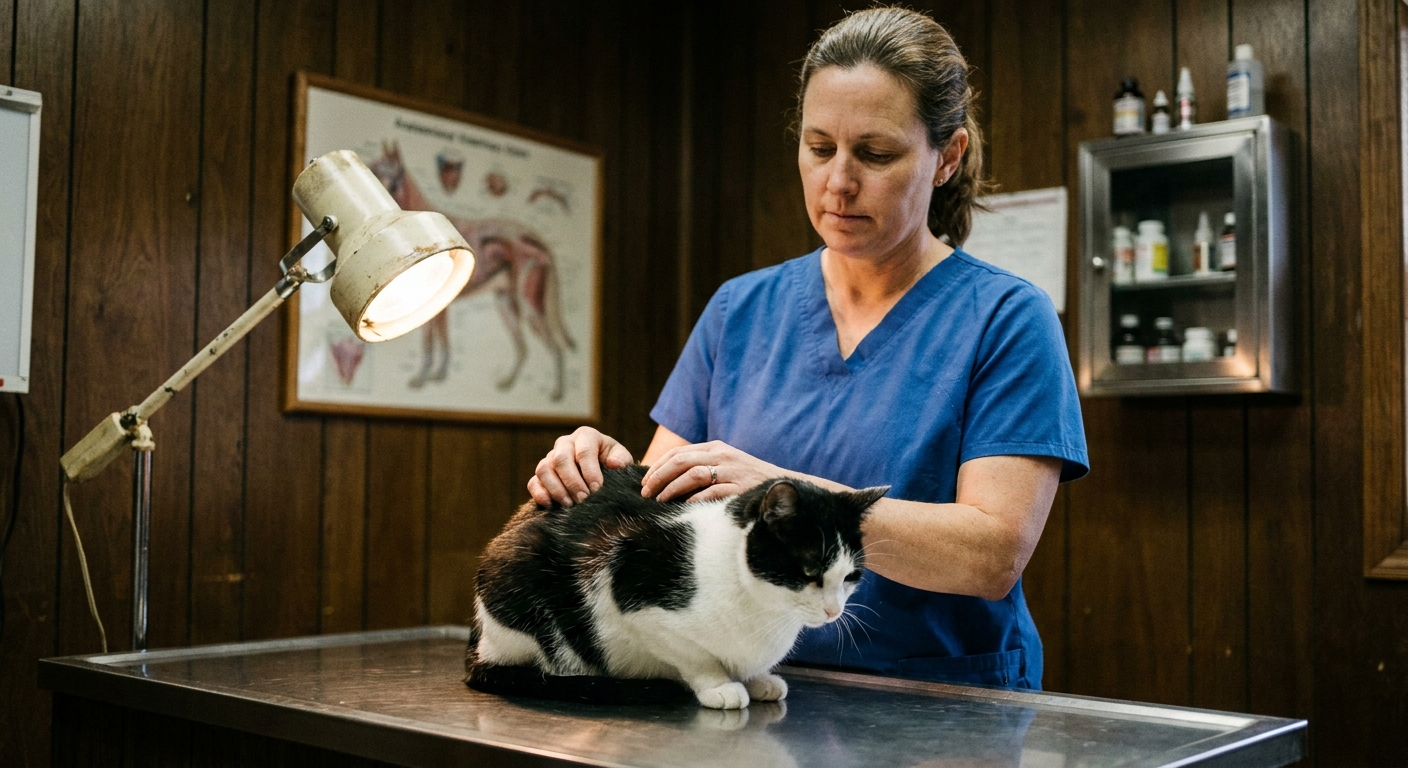
Thrive’s integration model differs from the rest of the major buyer pool in the brand and customer-experience dimensions while running broadly similar back-office consolidation.
Mixed-brand approach. Per Thrive company materials and the historical pattern across the network, the platform operates a mixed-brand model. Some acquired practices retain their original name, signage, and customer-facing identity.
Others transition to the Thrive consumer brand across signage, marketing, digital presence, and customer communications. The specific brand handling for any acquired practice is determined under the definitive purchase agreement.
The implications for the seller and the practice’s local staff and clients are meaningfully different in the two scenarios, which is why the brand-handling clause is the highest-leverage negotiation surface.
Customer-experience infrastructure. Thrive’s TSG-backed consumer orientation supports investment in customer-experience infrastructure — digital booking, mobile customer communications, wellness-plan and subscription mechanics, brand-consistent marketing across the network. For sellers whose practices were already moving in this direction, integration is largely additive.
For sellers whose practices operated on more traditional appointment-based, relationship-driven models, the customer-experience standardization is a meaningful change.
Back-office consolidation. Standard centralized HR, accounting, payroll, vendor management, supply purchasing, and IT support per Thrive company materials.
Continuing education and clinical programs. Per Thrive company materials, the platform invests in continuing education and clinical development across the network.
Doctor relationships. Selling owners commonly stay on as medical director for 3 to 5 years post-close per industry M&A commentary. Thrive’s specific post-sale employment terms are negotiated case by case.
Thrive’s recent activity in 2025-2026
Thrive remains active in the US veterinary acquirer pool in 2026. Capstone Partners‘ April 2026 Pet Sector M&A Update documents sector acceleration in Q1 2026 with active platforms across the buyer category, including TSG-backed Thrive.
Specific acquisition counts are not publicly itemized in real time.
Have an offer from Thrive Pet Healthcare or Pathway? Get a Free Practice Value Estimate — send us the offer and we’ll decompose the terms (including brand-handling and consumer-integration clauses), identify what’s typically negotiable, and project what your practice would likely clear in a structured competitive process. No upfront cost, no obligation.
How Thrive compares to the other major buyers
Versus Mars Veterinary Health (VCA, BluePearl, Banfield). Mars is the strategic family-owned exception. The brand-handling comparison is interesting — both Thrive and VCA operate brand-transition models (vs. the strict local-preservation buyers), though VCA’s transition is to an institutional veterinary brand while Thrive’s is to a consumer-brand-style identity.
Our Mars Veterinary Health buyer profile and VCA buyer profile cover Mars-specific dimensions.
Versus NVA, VetCor, AmeriVet, Mission Pet Health. All four of these competitors emphasize local brand preservation as a default. For sellers prioritizing brand continuity, that comparison favors the brand-preservation buyers over Thrive’s mixed-brand approach.
Our profiles of those buyers cover their specific dimensions.
Versus PetVet Care Centers (Ares Management). PetVet and Thrive are both large institutional PE-backed platforms with different sponsor lenses (Ares = healthcare PE, TSG = consumer PE). Brand-handling defaults differ — PetVet leans local-preservation while Thrive operates mixed.
Versus smaller PE-backed groups (Alliance Animal Health, Heartland, VPP, Rarebreed, others). Each has its own integration philosophy. Smaller groups sometimes pay more aggressively for practices that fill specific geographic or specialty gaps.
What to negotiate before signing with Thrive
Six priorities when negotiating with Thrive’s acquisition team.
Brand handling (highest priority). Thrive’s mixed-brand approach means the brand-handling clause in the definitive purchase agreement directly determines whether your practice retains its local identity or transitions to the Thrive consumer brand. Negotiate explicit language: practice name, signage, website, marketing materials, customer communications, and the precise timing (or absence) of any planned brand transition.
If local identity matters, negotiate an indefinite preservation period rather than a defined transition timeline.
Cash at close percentage. Push for higher cash percentages. Thrive’s institutional capital position generally supports flexibility on this dimension under competitive pressure.
Earnout structure. Standard protective provisions matter: no major operational changes without seller consent, working capital floor, prohibition on shifting central services costs to the practice. For Thrive specifically, the consumer-brand integration timing within the earnout window can affect practice-level revenue if customer-experience changes are introduced too quickly.
Customer-experience integration timeline. Thrive’s customer-experience standardization can affect practice-level economics during the earnout. Negotiate explicit timelines for any digital, subscription, or wellness-plan changes that would affect the practice — and protective provisions if these changes negatively impact revenue.
Non-compete scope and post-sale clinical autonomy. Standard considerations apply: shorter non-compete duration, tighter radius, explicit clinical-autonomy language preserving the seller’s medicine decisions.
Rollover-equity terms (if applicable). Thrive’s consumer-brand exit thesis means rollover equity values track the platform’s brand-build success, not just aggregate hospital EBITDA. The underwriting basis is different from a traditional healthcare-roll-up rollover and deserves modeled scenario analysis.
The consumer-brand-orientation question, in depth
For sellers evaluating Thrive specifically, the central question is whether the consumer-brand orientation aligns with the practice’s identity and post-sale outcomes.
The case for consumer-brand alignment. Younger pet owners — millennials and Gen Z — increasingly expect consumer-brand experiences from veterinary services: digital booking, mobile communications, subscription wellness plans, brand-consistent marketing. Practices that are already moving in this direction find Thrive’s consumer-brand investment additive — it accelerates the transformation that would otherwise need to happen organically.
The unified Thrive brand also supports cross-market customer acquisition that local-brand practices cannot match.
The case for caution. For practices built on decades of local goodwill and relationship-driven clinical practice, the consumer-brand integration represents a structural shift. The mixed-brand model means specific practices may transition fully to the Thrive consumer brand, which fundamentally changes the practice’s customer identity.
Staff and clients who chose the practice for its local character can react to a brand transition in ways that affect practice-level retention metrics — and therefore practice-level economics during the earnout window.
The balance depends entirely on the specific seller and the specific practice. A properly run competitive process surfaces both options across multiple bidders so the seller can compare directly.
Brand-preservation-emphasis buyers like NVA, AmeriVet, VetCor, and Mission Pet Health offer structurally different post-sale practice identity trajectories than Thrive — and the comparison should be made on the dimensions the seller cares most about, not just headline price.
Should I take a Thrive offer or run a competitive process?
For Thrive specifically, the value of the competitive process is concentrated in the brand-handling clauses and the consumer-integration-timeline provisions. The headline cash multiple may not move dramatically — Thrive’s institutional capital generally supports competitive cash percentages.
Where the competitive process produces leverage is on the dimensions that interact with Thrive’s distinctive consumer-brand orientation: brand-preservation guarantees, customer-experience integration timing, subscription-and-wellness-plan integration provisions, post-sale role definition in the context of the unified brand.
Thrive participates in well-run competitive processes when invited. The Thrive-specific dimensions get sharper attention when other qualified buyers — particularly the local-brand-preservation buyers — are at the table on the same practice.
What our Elite Selling System actually does
For a Thrive-affiliated transaction, our process centers on the brand-handling and consumer-integration dimensions that distinguish Thrive from the rest of the buyer pool.
Phase one — the brand-and-integration audit. We deconstruct the Thrive standard template against the brand-handling and integration-timeline language we’ve seen across competitor templates. Where does Thrive’s brand-transition language sit against the local-preservation buyers?
What customer-experience integration commitments are in the draft, and on what timeline? Which protective provisions limit the platform’s ability to make consumer-brand changes that affect practice-level revenue during the earnout?
This audit identifies the negotiation surface before the competitive process opens.
Phase two — the curated bidder mix. From the 42-plus veterinary consolidators we track, we invite both the brand-preservation buyers (NVA, AmeriVet, VetCor, Mission Pet Health, others) and the consumer-experience-oriented alternatives. The mix forces direct comparison on the brand-handling dimension that matters most for Thrive evaluations.
Phase three — the structural comparison. Bidders return full term sheets. The seller sees side-by-side comparisons across brand-handling commitments, customer-experience integration timing, cash-at-close, earnout structure, rollover/partnership terms, non-compete, post-sale role.
The seller chooses on the dimensions that matter — sometimes the brand-preservation buyer at a slightly lower headline, sometimes the consumer-brand platform at higher headline with brand-handling protections negotiated in.
The economic result holds: practices in the qualifying revenue band that run our process consistently clear materially better total economic outcomes — typically multiple seven figures, sometimes more — than the same practice would have cleared by signing the direct Thrive term sheet without exploring the field.
Closing thought
Thrive Pet Healthcare enters 2026 as one of the larger US veterinary platforms with a distinctive consumer-brand orientation that reflects TSG Consumer Partners’ investment lens. For sellers aligned with consumer-brand veterinary services — particularly those serving younger pet-owning demographics expecting digital-first experiences — Thrive represents one of the more strategically positioned acquirers in the market.
For sellers with decades of local practice identity and relationship-driven clinical practice, the same consumer-brand orientation is the central risk that needs to be negotiated against. The brand-handling clauses, customer-experience integration timing, and protective provisions on consumer-brand changes during the earnout determine whether the platform’s distinctive orientation works in the seller’s favor or against it.
If a Thrive (or legacy Pathway) offer is on your desk right now, the highest-leverage move is to understand how the brand-preservation alternatives in the field would structure the same practice on different terms before committing to anything. Get a Free Practice Value Estimate and we’ll lay out the same brand-handling comparison we would for a client across a dinner table.
Related Buyer Profiles
Sources
Industry M&A research and valuation data
- Capstone Partners. Pet Sector M&A Update — April 2026. Capstone Partners industry research.
- Octus. Veterinary Services Roll-Up Coverage, 2025-2026. Octus credit research and industry commentary.
- Dechert LLP. Healthcare M&A: 2025-2026 Trends and Outlook. Dechert healthcare practice publications.
- Holland & Knight. Healthcare Private Equity 2025-2026 Commentary. Holland & Knight healthcare practice publications.
- MB Law Firm. 2025 Healthcare M&A Trends — Joint Venture and Partnership Structures. MB Law Firm healthcare publications.
Thrive Pet Healthcare, legacy Pathway, and parent company materials
- Thrive Pet Healthcare. About Thrive and US network footprint. Thrive company materials, 2024-2026.
- Pathway Vet Alliance. Legacy Pathway materials. Pathway company materials archived prior to rebrand.
- TSG Consumer Partners. Portfolio and consumer-services investment practice. TSG company materials.
Veterinary practice operations, benchmarks, and profession data
- iVET360. State of the Veterinary Industry — 2026 Industry Report. iVET360 industry research.
- American Veterinary Medical Association (AVMA). 2026 AVMA Veterinary Economic Report. AVMA economic research.

Melani Seymour, co-founder of Transitions Elite, helps veterinary practice owners take action now to maximize value and secure their future.
With over 15 years of experience guiding thousands of owners, she knows exactly what it takes to achieve the best outcome.