
The Fastest-Growing Veterinary Markets and Capital Deployment Trends 2026
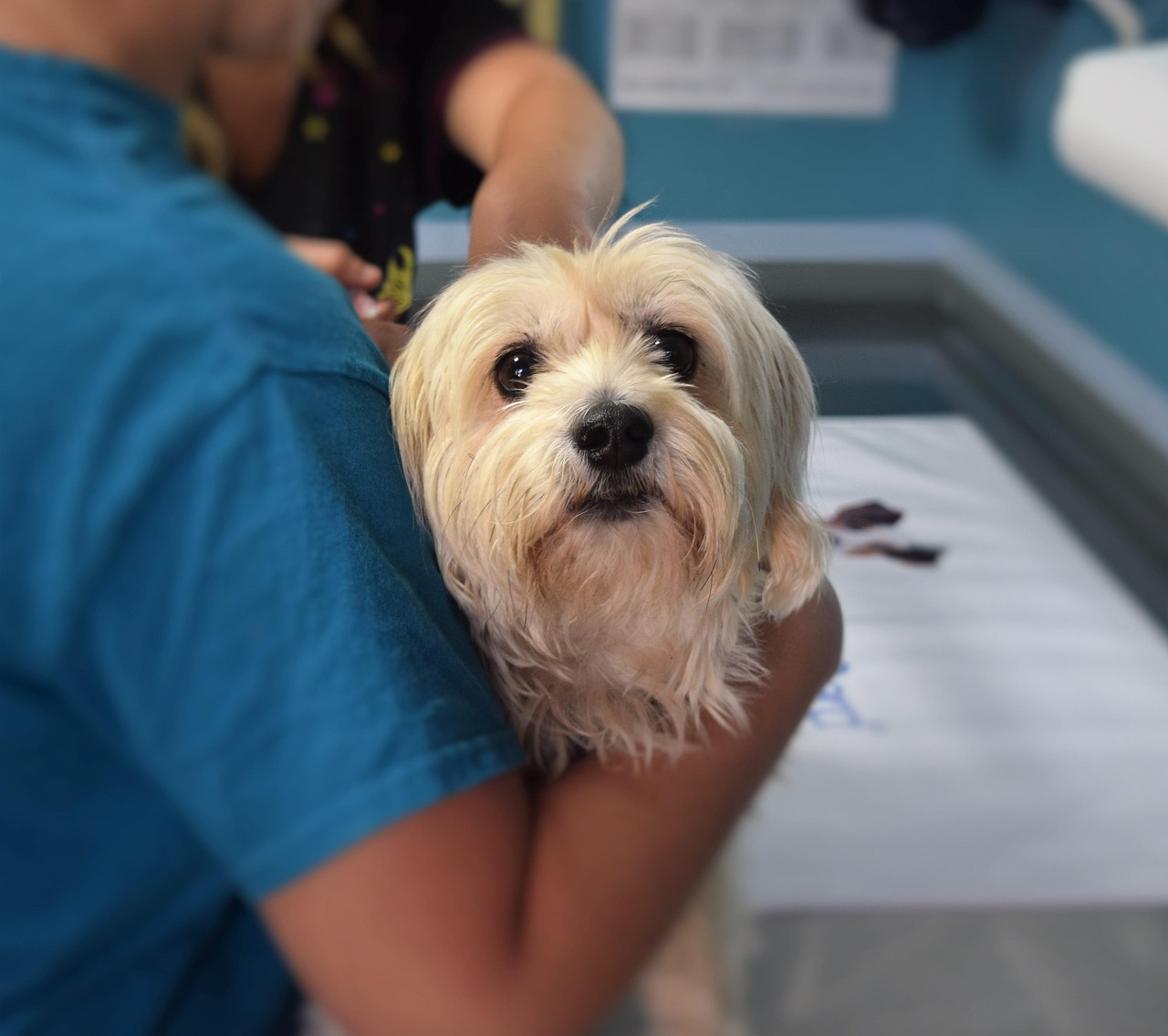
| According to a recent industry projection by Grand View Research, the North American veterinary services market is expected to surpass $280 billion by 2033, driven by shifts in pet owner behavior, specialization, and changing consolidation patterns. |
The veterinary market outlook for 2026 is defined more by where capital is flowing and why. The pace of acquisitions may be slowing in some over-consolidated regions, yet capital deployment is far from retreating. In fact, money is moving more strategically than ever.
Today’s most successful buyers, particularly private equity platforms and regional strategic groups are building smarter. That means investing in specific geographies, service segments, and operational models that promise not just revenue, but resilience.
For practice owners, this next cycle represents a narrowing window of opportunity: one where well-run clinics, positioned in underserved or fast-growing markets, could still achieve premium exits if they understand where the capital is going and what investors expect in return.
This blog breaks down the key capital deployment patterns, PE behavior shifts, emerging markets, and valuation levers shaping the veterinary industry in 2026. If you’re preparing for a sale or advising someone who is, these insights may define how (and when) you act.
Veterinary Market Outlook 2026: Where Growth Is Headed Next
The veterinary industry is evolving. Pet parents now demand year-round wellness programs, remote diagnostic tools, insurance-compatible treatment plans, and access to everything, right from prescriptions to rehab, with a few taps on their phones.
Practices that evolve with these trends are building higher-margin, exit-ready operations. Let’s understand the key shifts shaping that path forward.
1. Veterinary Services Are Shifting Into a Health System Model
| According to Grand View Research projections, the U.S. veterinary services industry will more than double from $36.52B in 2024 to $68.67B by 2033. The growth is expected to be steady at 7.6% CAGR. |
Behind this growth lies a much deeper change. Veterinary services are moving away from transactional care and toward longitudinal care ecosystems. Pet owners are expecting access to full-spectrum health support, righ from behavior consults and food sensitivity panels to chronic pain plans and end-of-life support.
This shift is being accelerated by three overlapping trends:
- Wider insurance adoption: Reducing financial hesitation around high-end care.
- Owner education via digital platforms: Creating more informed demand.
- Multi-pet households: Where per-pet care is budgeted and normalized.
This rising baseline of care has downstream effects. Clinics must operate like organized health systems. Practices that remain episodic or reactive risk becoming obsolete in a market that now values structure, recall systems, and wraparound services.
Key Inflection Points Ahead:
- Growth in loyalty plan revenue vs one-off billing
- Staff shifts toward nurse-led education roles
- Digital intake systems replacing static booking flows
For practice owners eyeing future consolidation, these are table stakes. Clinics demonstrating strong preventive care delivery and diagnostics integration are outperforming on retention, compliance, and valuation benchmarks.
2. Diagnostics and Wellness Protocols Are Becoming the Core of Clinical Workflows
| As per SNS Insider, diagnostics will be the fastest-growing vertical in veterinary medicine with 9.90% CAGR through 2033. Preventive services, including telehealth-driven wellness, are seeing unprecedented uptake. |
Veterinary care is becoming anticipatory rather than reactive. Clinics aren’t waiting for disease signs and mapping out care plans based on breed, age, and early biomarkers. It’s common now to see practices run 6- or 12-month check-in protocols for high-risk breeds (like Cavaliers or Dalmatians), with diagnostics baked in.
A typical 2026 “wellness track” for a 3-year-old Labrador might include:
- Blood panel + urinalysis baseline
- Monthly dental chews + annual prophylaxis
- OA risk screen (especially if neutered early)
- Annual ECG or ortho exam
- Microbiome analysis for GI health
This movement is shifting the center of gravity in clinic operations. What used to be front-desk booking is now program management. Staff roles are evolving to support proactive outreach, while clinic space is redesigned for quiet diagnostics zones or remote consult booths.
It’s also reshaping competitive differentiation: a nearby clinic may also offer vaccines and neuters but few will offer precision diagnostics paired with a wellness-first delivery model. That’s where loyalty and margin come from and why this shift will dominate the next wave of veterinary growth.
3. E-Commerce and Online Veterinary Pharmacies Are Disrupting the Traditional Revenue Model
| According to SNS Insider, online veterinary pharmacies are expected to grow at a CAGR of 9.47% through 2033, making them the fastest-growing distribution channel in the veterinary medicine market. |
This shift is an entire rebalancing of how veterinary practices interact with clients post-consultation. What used to be a conversation at the front desk about monthly flea tablets is now happening on e-commerce platforms, often without the clinic’s knowledge or participation.
What clients now expect:
| Traditional Expectation | 2026 Reality |
|---|---|
| In-clinic pickup | 1-click refills with auto-ship |
| Manual reminders | App-based alerts tied to prescriptions |
| Reactive refills | Subscription-based preventive delivery |
Practices that don’t offer integrated digital pharmacy access are increasingly losing repeat prescription revenue, which happens to be a key contributor to patient lifetime value.
And it’s not just about pet meds. Supplements, calming chews, probiotic blends, and recovery diets are now core recurring products clients want delivered, not discussed.
To remain competitive:
- Practices are launching white-labeled online storefronts
- Clinics are integrating e-commerce APIs directly into their PMS
- Inventory-heavy practices are being phased out in favor of digital fulfillment hubs
This transition also has valuation implications. When preparing for veterinary practice sales, buyers increasingly ask: how much of your pharmacy revenue is secured, recurring, and digitally traceable?
What’s Getting Funded in 2026
| Trending Investment Zones | Less Attractive to Buyers |
|---|---|
| Secondary urban clusters with scalable population growth | Oversaturated metro markets |
| Clinics offering hybrid care (e.g., in-person + telehealth) | Owner-dependent, single-DVM setups |
| Practices with embedded services (e.g., imaging, rehab) | Clinics lacking data systems or clean P&Ls |
| Regions with underserved specialties | High-turnover labor zones |
For owners, this isn’t the time to sit on legacy assumptions. Understanding where the capital is headed and how buyers are recalibrating their criteria is essential.
If you’re operating in an urban fringe, mid-tier city, or Sunbelt growth region, you may still have a strategic edge. Especially if your practice is systematized and doesn’t hinge on your daily presence.
And here’s where nuance matters. Not every acquisition is about scale. Some are driven by geographic or referral-based gaps that align with broader buy-side strategy. If you’re unsure where your practice sits on that map, it’s worth reviewing how today’s top-tier platforms segment their portfolios.
You can start by understanding which veterinary practice buyers are actually active in your area and what they prioritize behind the scenes.
Veterinary Industry Forecast: Winners, Laggards, and What to Watch
While the top-line numbers show optimism, the veterinary industry forecast paints a more complicated picture underneath. Client behavior is changing. Cost sensitivity is rising. And the buyer market is shifting away from broad consolidation and toward intelligent asset picking, especially in fragmented or underserved regions.
Practices serving clients who expect Amazon-style access, evening appointments, digital follow-ups, price transparency are holding their own. Others are feeling pressure. The laggards in this cycle aren’t just low-revenue clinics. They’re often businesses that haven’t kept pace with operational demands or evolving client expectations.
Common Traits of Practices Falling Behind
| Category | Red Flags That Concern Buyers |
|---|---|
| Clinical Staffing | Owner is the only full-time DVM; no succession plan |
| Tech Infrastructure | Paper-based systems, no cloud-based PMS |
| Client Model | Low retention, high one-time visit ratio |
| Service Offering | No specialty services or preventative care programs |
Subscription care models such as wellness plans are rising fast. These offer predictable cash flow and improve client stickiness, two things investors value in volatile labor markets. On the flip side, owners who rely heavily on episodic visits, or who’ve delayed tech upgrades, are seeing lower interest and softer offers.
For sellers in this zone, self-assessment is essential. Before assuming a sale is off the table, it’s worth benchmarking your clinic’s fundamentals against real-world deal activity.
If you haven’t yet looked at how much private equity is actually paying for veterinary practices today, you might be working with outdated assumptions. This summary of current PE valuations gives a more realistic reference point than anecdotal ranges floating in the market.
PE Activity Outlook: What Private Equity Is Betting on in 2026
Private equity’s posture toward veterinary medicine has evolved but not pulled back. The PE activity outlook heading into 2026 shows that while roll-up velocity may have slowed, the volume of capital in play hasn’t. What’s changed is how it’s being deployed and what type of seller can capture the upside.
Across the board, PE groups are treating acquisitions more like investments in infrastructure than simple cashflow arbitrage. Clinics with scalable systems, high-margin service lines, and internal leadership layers are being treated as future mini-platforms. This means better equity offers for sellers, but also higher expectations.
Evolving Deal Mechanics at a Glance
| Deal Element | 2021 – 2022 Typical Structure | 2026 Outlook |
|---|---|---|
| Equity Retention | 5-10% | 15-25%, tied to clear performance metrics |
| Earnouts | Based on revenue growth | Based on EBITDA + staffing retention |
| Due Diligence | Light financial review | Multi-phase diligence w/ ops + tech audit |
| Time to Close | 45–60 days | 90+ days, with multi-stage underwriting |
These changes are about preserving IRR. Buyers burned in earlier cycles (due to poor integration or overpaying in saturated markets) are approaching 2026 with sharper filters. For owners, this doesn’t mean the window has closed, it means the pitch needs to be tighter.
And here’s where clarity becomes currency. Practices that demonstrate EBITDA quality, growth pathways, and long-term staffing models are still landing strong offers.
If you’re unsure what benchmarks you should be aiming for before a sale, this breakdown of EBITDA thresholds in vet practice sales outlines what private equity is actually rewarding in today’s market.
Practice Sales: What’s Driving Deal Flow and Valuations
Talk to any good vet sales advisor with visibility into practice sales, and one theme repeats: this is no longer a seller’s market across the board. The deals are still closing but the spread between premium valuations and discounted offers is widening. What’s creating that spread isn’t luck. It’s operational depth.
Practices that can show normalized margins, low churn, and internal systems are commanding offers with both stronger multiples and cleaner terms. Buyers, particularly those building regionally focused clusters are less interested in distressed assets they have to overhaul. The focus now is on plug-and-perform practices.
The 3 “S” Factors Driving Valuation Tiers:
- Stability: Consistent EBITDA over the last 24–36 months, not one-off spikes
- Staffing: Multi-DVM bench, signed associate agreements, and a plan to retain key roles post-close
- Structure: Bookkeeping, HR, and compliance systems that reduce risk during diligence
On the other hand, clinics with unvetted financials or high owner-dependency are facing softer bids or longer sell cycles. What’s changed is that buyers are comparing notes more often, and walking away faster. Even growth-stage practices are being scrutinized for execution risk.
If you’re planning a 2025 sale, the most useful thing you can do it’s to get your internal house in order. That may mean overhauling your P&Ls, securing associate contracts, or building a 6-month staffing forecast. The offer depends on what’s behind the revenue, not just the revenue itself.
Private Equity’s New Playbook: How PE Activity Outlook Is Shifting
If the private equity model in 2021 was defined by acceleration, the PE activity outlook in 2026 is built on filtration. Across the board, firms are no longer evaluating practices as standalone assets; they’re treating them as long-term fits within a more disciplined, margin-driven portfolio strategy.
That means fewer deals, but more aggressive underwriting. It also means more structured post-acquisition expectations; from EBITDA performance to DVM retention to tech stack usage.
What’s changed in the 2026 PE acquisition model:
- Deal teams are prioritizing depth of diligence, especially around staff dependency and culture fit
- Earnouts are standard and tied to EBITDA performance, not just top-line revenue
- Seller equity is increasing, but only if the practice can operate independently within 90 days post-close
- Exit timelines are lengthening, quick flips are being replaced with 5-7 year hold strategies focused on secondaries
The playbook is increasingly modeled after operational private equity where firms are building real operating capacity in-house to support their clinics. That includes training resources, recruiting teams, and internal integration leads to reduced chaos during transitions.
What this means for sellers: You’re not just being evaluated as a revenue engine. You’re being measured on how easy it is to integrate your practice without burning down the culture, team, or earnings.
Veterinary owners planning a sale in the next 12-24 months should be thinking the same way PE firms are. Those who prepare their practice with systems, not personality, at the center will remain viable candidates in a much tighter M&A pipeline.
Veterinary Consolidation Trends: Are We Nearing Saturation or Just Starting?
The idea that the industry is “done consolidating” is a surface read; one that ignores how consolidation has changed shape. The veterinary market outlook for 2026 shows a sector that’s paused, yes but to regroup and refocus. What we’re seeing isn’t the end of acquisition. It’s the start of smarter consolidation.
Firms are no longer sweeping up clinics en masse. They’re deploying capital around ecosystem control and building out high-density referral networks, specialty hubs, and back-end support infrastructure. That includes centralizing HR, compliance, and inventory, while keeping local branding and autonomy intact.
New Focus Areas in the 2026 Consolidation Cycle:
- Specialty & Urgent Care Practices: High demand, low supply with better EBITDA and referral stickiness
- Rural Anchors: Single acquisitions that unlock access to underserved populations
- Integrated Ecosystems: Practices connected to diagnostics labs, telehealth arms, or pet insurance platforms
- Post-Acquisition Retention Models: Buyers are now scoring sellers on their ability to keep DVMs and staff engaged post-close
One of the bigger shifts is the declining appetite for owner-dependent, single-DVM clinics. These are seen as risky; not just financially, but from a transition standpoint. On the other hand, multi-doctor practices with clear pathways for leadership succession are viewed as “low-drama, high-yield” assets.
So, are we nearing saturation? Not if you’re positioned in a part of the map that hasn’t been overmined or if your practice solves a downstream problem for a consolidator trying to stabilize an existing portfolio.
What used to be about footprint is now about leverage. And if your practice can create that, the doors aren’t closing. They’re just opening with a different key.
Conclusion
The veterinary industry’s next cycle will reward the best-run clinics. If your practice is stable, systematized, and positioned inside an emerging market or an unconsolidated region, the opportunities are still strong.
Whether you’re 12 months from a deal or still years away, the smartest move is to prepare as if the call could come tomorrow because for the right practice, it will. And when it does, the ones who planned ahead won’t just sell, they’ll lead the conversation!
FAQs
Why are some practices still getting top-tier valuations while others stall?
It comes down to structure. Strong EBITDA helps, but buyers are paying more for practices that don’t fall apart the moment the seller steps back. Clinics with multiple DVMs, clean reporting, and documented systems are seen as lower-risk. The math works better and in this market, math is driving price.
What’s the biggest mistake owners are making before listing their practice?
Overspending in the wrong places. Too many clinics throw capital at upgrades that don’t impact earnings like cosmetic remodels or tools that never get used.
How are strategic buyers approaching acquisitions differently from PE groups?
Strategic buyers aren’t chasing roll-ups; they’re building frameworks. They tend to acquire slower, but with more intention. They look for synergy across regions and service lines, not just EBITDA multiples. It’s less about flipping assets and more about fixing systemic gaps, referral leakage, staff burnout, or urgent care voids.

Melani Seymour, co-founder of Transitions Elite, helps veterinary practice owners take action now to maximize value and secure their future.
With over 15 years of experience guiding thousands of owners, she knows exactly what it takes to achieve the best outcome.
Ready to see what your practice is worth?