
Posts
Latest news and ideas

The question almost always arrives sideways. We will be 40 minutes into a conversation about what a practice is worth, and the owner stops. Then some version of this: I’m not trying to retire. I like Tuesdays. I just don’t want to be the person who calls the payroll company anymore. That is not a…
Read More >>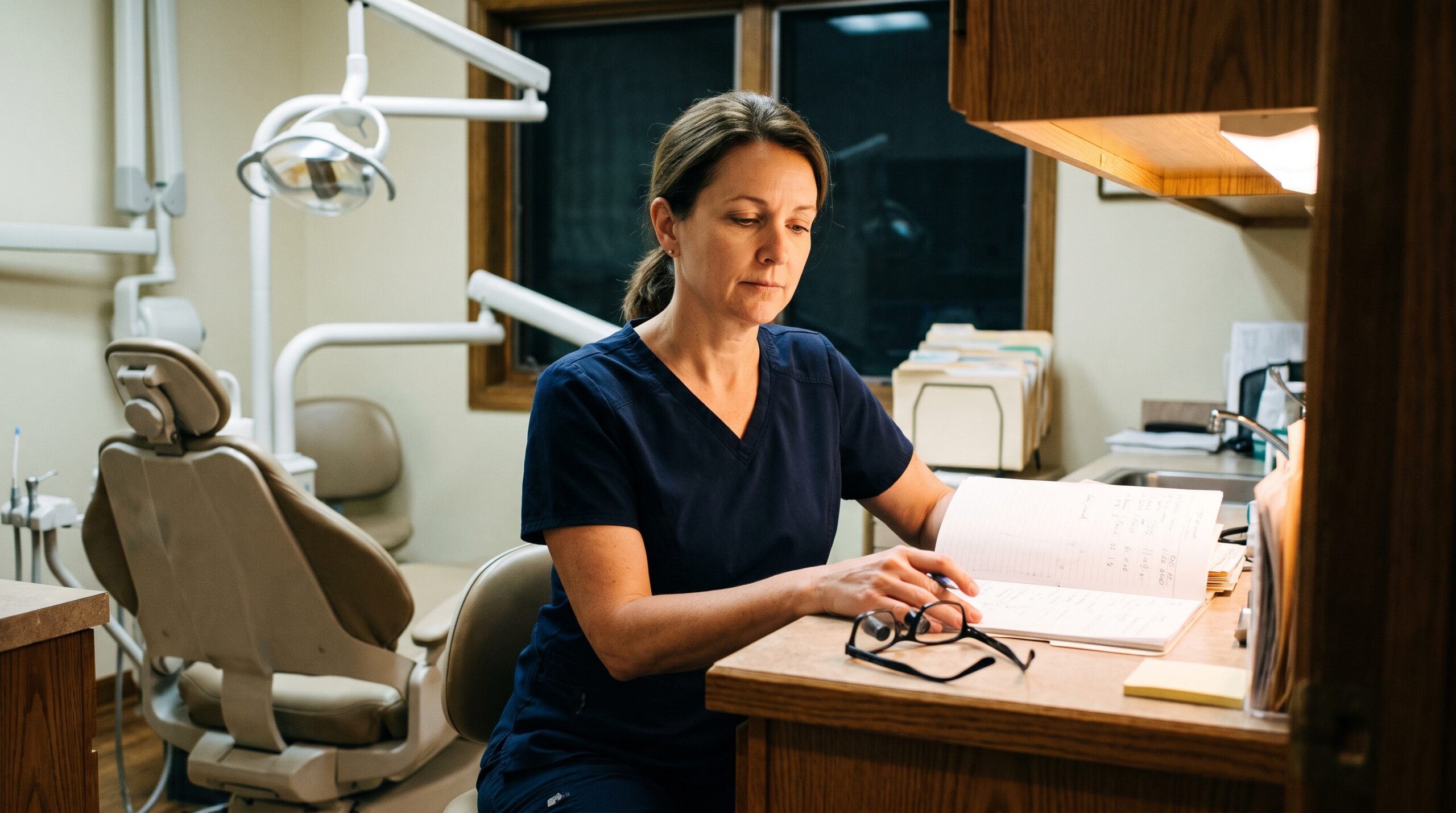
The letter says they already have offices near you. Most owners read that as a threat. It is usually the opposite. When a buyer already runs thirty offices inside your metro, your practice is worth more to them than it is to a national group adding a pin to a map. Not because they like…
Read More >>
“They’re sending four people.” That was the entire message. He had signed a letter of intent on a Tuesday. By Friday he had a request list running to 71 numbered items and a calendar invite from an accounting firm he had never heard of. What he wanted to know was what they were looking for.…
Read More >>
The letter arrives on a Tuesday. It is warm, short, and signed by someone whose title includes the word “partnerships.” You read it twice. Then you do what every dentist does at nine that night, with the practice closed and a laptop open on the kitchen table. You type the name into Google. What comes…
Read More >>
An owner asked me this over lunch last year, and he was almost annoyed when he asked it. He had been told his whole career that only a dentist can own a dental practice. He believed it. He had built his own two offices inside that rule and never once thought to test it. Then…
Read More >>